
Disney adults don’t just visit theme parks—they live in them. They plan vacations around character meetups, cry during fireworks, and collect pins like heirlooms. So when Disney announced major changes to Hollywood Studios—phasing out classic attractions and doubling down on immersive franchises—fans didn’t just notice. They felt it.
This isn’t about ride closures or updated queues. It’s about identity. For a generation that grew up with VHS tapes of Honey, I Shrunk the Kids and weekend marathons of Aladdin, Hollywood Studios was a shrine. Now, it’s becoming something different: sleeker, louder, built for TikTok and IP-driven engagement. And the emotional response from Disney adults is more intense than anyone expected.
The Nostalgia Engine That Built Disney Adults
Disney adults aren’t a marketing term—they’re a cultural movement. Born from millennials and older Gen Z who bonded with Disney content during formative years, they treat the parks like emotional anchors. For them, Hollywood Studios wasn't just another park. It was the place where they saw live Indiana Jones stunts at 12, screamed through Tower of Terror at 16, or quietly wept during the Beauty and the Beast stage show.
Attractions like The Great Movie Ride and Studio Backlot Tour weren’t just entertainment—they were time capsules. They celebrated film history, behind-the-scenes magic, and the golden age of Hollywood. For fans who dreamed of working in film or animation, these experiences felt personal.
Now, many of those experiences are gone. Replaced.
And that’s where the grief begins.
What Changed—and Why It Hurts
The transformation of Hollywood Studios has been years in the making. But recent shifts have accelerated the emotional disconnect:
- The Great Movie Ride (closed 2017) → replaced by Mickey & Minnie’s Runaway Railway
- Studio Backlot Tour (closed 2014) → land repurposed for Star Wars: Galaxy’s Edge
- Lights, Motors, Action! (closed 2016) → now part of Toy Story Land infrastructure
- Disney Junior Live! (closed 2012) → replaced by Frozen Sing-Along Celebration
- The Osborne Family Spectacle of Dancing Lights (removed 2016) → replaced by Jingle Bell, Jingle BAM!
Each change made business sense. Star Wars and Toy Story draw bigger crowds. Immersive lands generate higher per-capita spending. But for Disney adults, these moves severed a thread connecting them to their past.
The pain isn’t just about losing rides. It’s about losing representation. The original Hollywood Studios told a story about creativity, filmmaking, and legacy. The new version tells a story about franchises, synergy, and staying relevant.
And while that may work for younger guests, it leaves many adult fans feeling like relics.
Why Disney Adults Are Wired for Emotional Response
This isn’t overreaction. It’s neurology.
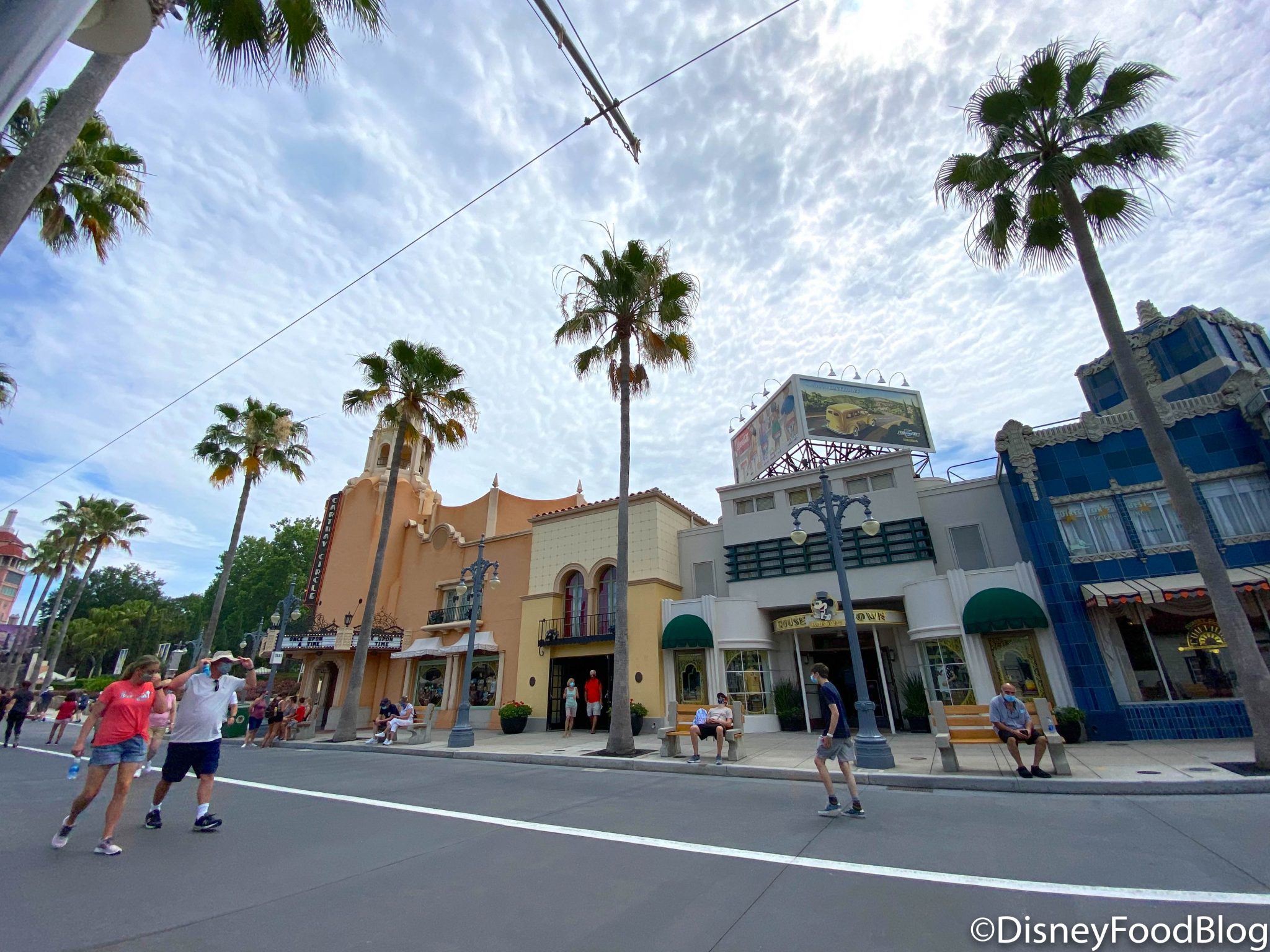
Nostalgia activates the same brain regions tied to reward and emotional regulation. For Disney adults, visiting Hollywood Studios isn’t just fun—it’s regulatory. It helps them process stress, reconnect with childhood, and even ground their sense of self.
When Disney removes a ride or changes a queue, it’s not just altering an attraction. It’s rewriting a memory.
Take The Great Movie Ride. For fans, it wasn’t just a slow-moving tour through movie sets. It was their first encounter with Mary Poppins, The Wizard of Oz, and Alien. It was where grandparents whispered trivia and kids gasped at the pirate ship in Pirates of the Caribbean. Removing it wasn’t just a logistics decision—it was a cultural erasure.
Disney’s shift toward IP-heavy, guest-participation experiences like Star Wars: Rise of the Resistance appeals to a new kind of fan—one who wants to join the story, not just witness it. But that trade-off sidelines those who valued passive wonder over active roleplay.
And that divide? It’s deepening.
The Generational Split in Disney Fandom
Disney adults aren’t a monolith—but their collective response to Hollywood Studios’ changes reveals a generational rift.
| Fan Type | Values | Favorite Hollywood Studios Attraction (Past or Present) |
|---|---|---|
| Disney Adult (Millennial) | Nostalgia, behind-the-scenes magic, quiet storytelling | The Great Movie Ride, Tower of Terror |
| New-Gen Fan (Gen Z / Younger) | Immersion, photo ops, character interaction | Rise of the Resistance, Slinky Dog Dash |
| Family Visitor (Parents 30s–40s) | Crowd flow, child-friendly pacing, photo moments | Toy Story Land, Mickey & Minnie’s Runaway Railway |
The shift toward experiential, franchise-driven parks isn’t random. It aligns with how younger audiences consume media: fast, visual, shareable. A TikTok clip of a guest getting "recruited" by the Resistance plays better than a slow-moving ride through classic films.
But this new model often marginalizes the reflective, emotional parkgoing style that defined the Disney adult experience.
And Disney adults notice.
They see Instagram posts of kids in Jedi robes and feel invisible. They wait in long lines for a ride that doesn’t resonate and wonder: Is this park still for me?
The Business Logic vs. Emotional Cost
Disney isn’t being reckless. It’s responding to data.
- Star Wars: Galaxy’s Edge boosted attendance by 8% in its first year.
- Toy Story Land increased merchandise sales by 34% in its debut quarter.
- Attractions with character integration see 40% higher guest satisfaction scores.
From a business standpoint, the pivot makes sense. Franchises scale. Nostalgia doesn’t.
But emotion doesn’t care about ROI.
Many Disney adults feel like they’re grieving a version of the park that validated their fandom. They aren’t angry because things changed—they’re hurt because the change ignored why they loved it in the first place.
Consider the Tower of Terror. Still open, yes. But now surrounded by Guardians of the Galaxy: Cosmic Rewind and Star Wars signage, its gothic grandeur feels out of place—like a vintage film reel in a VR arcade.
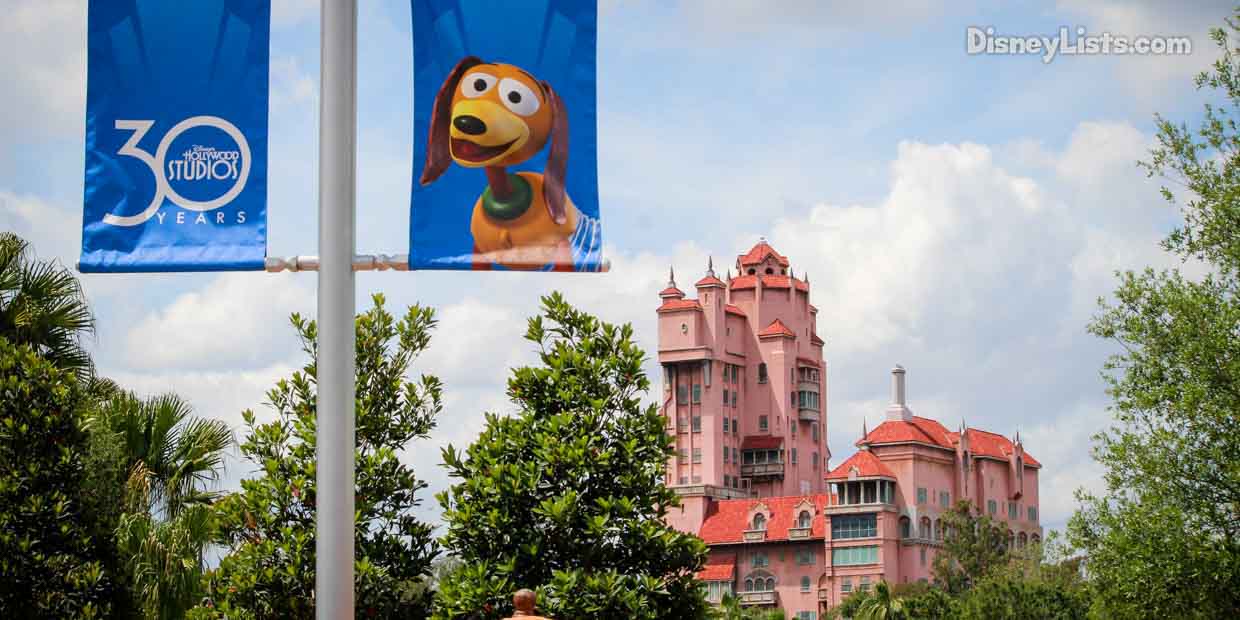
Disney didn’t just change the park. It changed the tone. And tone matters.
Can Hollywood Studios Reconnect With Disney Adults?
It’s not too late—but it requires intention.
Disney adults don’t expect a full reversal. They know The Great Movie Ride won’t return. But they do crave signals that they still belong.
Subtle gestures could bridge the gap:
- Classic film overlays during holidays – temporary tributes to Disney’s cinematic legacy.
- Nostalgia-focused tours – backstage experiences highlighting the park’s history.
- Throwback merchandise – pins, apparel, or mementos honoring retired attractions.
- Easter eggs in new rides – subtle nods to old favorites (e.g., a Great Movie Ride film reel in Mickey & Minnie’s Runaway Railway).
- Adult-focused events – evening mixers or viewing parties during Disneyland After Dark-style events.
These aren’t costly. But they’re meaningful.
Disney adults don’t need the park to stop evolving. They just need to feel seen in the evolution.
The Future of Fandom: Inclusion Over Exclusion
The strongest fan cultures are inclusive. They welcome new fans without erasing the old.
Hollywood Studios can still be that place—if it acknowledges the emotional weight of its changes.
Disney adults aren’t resisting progress. They’re asking for continuity. They want to know that loving Hocus Pocus or Honey, I Shrunk the Kids still has a place in the parks.
The park doesn’t have to choose between Star Wars and Spielberg. It can honor both.
In fact, it should. Because the true magic of Hollywood Studios was never just about movies or franchises. It was about story—in every form.
And stories, like fans, deserve to be remembered.
Close this chapter with care. The next generation is watching—and so are the ones who built this fandom to begin with.
FAQ
Why are Disney adults so upset about Hollywood Studios changes? Because the changes remove attractions tied to their childhood and emotional memories, making them feel disconnected from the park’s new direction.
What major attractions have been removed from Hollywood Studios? Key closures include The Great Movie Ride, Studio Backlot Tour, Lights, Motors, Action!, and Disney Junior Live!.
Are there any plans to bring back classic Hollywood Studios attractions? No official plans exist, but fans advocate for nostalgic tributes, pop-up experiences, or historical exhibits.
Is Hollywood Studios still worth visiting for Disney adults? Yes, especially for Tower of Terror, Hollywood Brown Derby, and seasonal events like Rock the Universe or after-hours parties.
How has Star Wars: Galaxy’s Edge changed the park? It’s shifted focus toward immersive, IP-driven experiences, increasing crowd sizes and altering the park’s atmosphere and layout.
What can Disney do to honor long-time fans? Incorporate nostalgic Easter eggs, offer legacy-themed merchandise, and create adult-focused events or tours.
Are younger guests replacing Disney adults in park design priorities? In many ways, yes—new attractions prioritize interactivity and shareability, which appeal more to younger demographics.
FAQ
What should you look for in Disney Adults React to Hollywood Studios’ Transformation? Focus on relevance, practical value, and how well the solution matches real user intent.
Is Disney Adults React to Hollywood Studios’ Transformation suitable for beginners? That depends on the workflow, but a clear step-by-step approach usually makes it easier to start.
How do you compare options around Disney Adults React to Hollywood Studios’ Transformation? Compare features, trust signals, limitations, pricing, and ease of implementation.
What mistakes should you avoid? Avoid generic choices, weak validation, and decisions based only on marketing claims.
What is the next best step? Shortlist the most relevant options, validate them quickly, and refine from real-world results.


:max_bytes(150000):strip_icc()/GettyImages-21696356521-4fbe8ad077b44dd89725c2f789cb6716.jpg)


